
Plastic Extrusion Machine Cost vs Performance: A Buyer’s Comparison
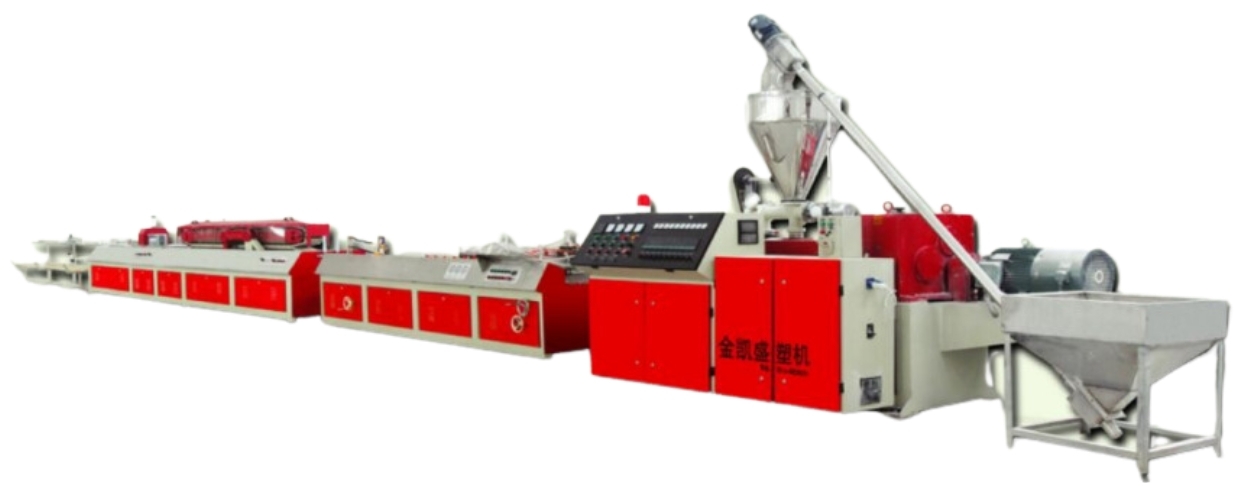
Wuxi JKS Machinery Manufacturing Co. Ltd. (JKS) is a custom plastic extrusion machinery manufacturer founded in 2013 and based in Wuxi, Jiangsu, China. Its product range covers full-set plastic extrusion production lines, standalone single-screw and conical twin-screw extruders, and auxiliary units such as high-speed mixer units, crushers, and pulverizers. This guide compares JKS plastic extrusion lines against standard alternatives on output, tolerance, energy use, maintenance, and long-term cost, so buyers can separate price differences from real performance differences.
A plastic extrusion machine is a production system that melts polymer compounds and shapes them continuously into sheets, pipes, profiles, rods, or pellets. When procurement teams compare offers, the first number they see is the initial price. The numbers that actually determine payback include output speed, dimensional tolerance, energy consumption, material waste, die-change time, and maintenance frequency. This article addresses those decision factors directly.
1. Why Cost vs. Performance Is the Right Question
Buyers in the decision stage often face two types of plastic extrusion machine suppliers: those offering standard or generic machines and those offering engineered, customized lines. The financial gap between the two may appear large at the quotation stage, but the operating gap appears in every shift after installation.
Market data explains why this comparison matters. The global plastic extrusion machinery market was valued at approximately USD 8.93 billion in 2024 and is projected to reach USD 11.58 billion by 2030 (Grand View Research). Asia Pacific led the market with 41.5% revenue share in 2024, with China as the leading contributor. Single-screw extrusion machines held about 62.7% of the global market in 2024 (Grand View Research). The global pipe extrusion lines market is estimated at USD 4.8 billion in 2025, with PVC as the leading material segment at 38.6% (Dataintelo).
End-product demand is also shifting production priorities. The Stone Plastic Composite (SPC) flooring market is projected to grow from USD 6.4 billion in 2026 to USD 10.3 billion by 2033, driven by a 7.2% CAGR (Grand View Research). For manufacturers evaluating an SPC Flooring Production Line, a PVC Pipe Extrusion Production Line, a WPC Door Panel Extruder Machine, or a Waste Plastic Recycling Pelletizing Line, the practical question is not only “which supplier is cheaper” but “which line delivers the lower cost per finished ton, meter, or panel.”
Buyers evaluating global suppliers may encounter established machinery names such as Coperion, KraussMaffei, Davis-Standard, and Jwell Machinery (GSmach / Jwell Industry Insights, 2024). Chinese custom-line manufacturers such as JKS compete with these brands on project-specific configuration, lead time, and engineering flexibility. This article uses JKS’s stated benchmarks as a reference frame because they are measurable, attributable, and directly relevant to a plastic extrusion machine’s total cost of ownership.
2. The Problem: Standard Machines Are Often Compared Only by Price
In extrusion procurement, the common comparison objects are generic auxiliary equipment, standard extruders from other suppliers, conventional twin-screw profile extruders with basic calibration lines, basic single-screw pipe extruders, simple two-stage pipe lines, conventional single-layer extrusion lines, and low-cost generic machines. These categories differ from engineered production lines in screw design, control systems, mold systems, calibration, and after-sales support.
A quotation for a plastic extrusion machine rarely shows the cost of rejected product, the cost of unplanned downtime, the energy consumed per kilogram, or the labor hours spent changing molds and dies. JKS’s comparison statements address these specific operating costs. The following sections translate those statements into a structure a procurement team can use.
3. JKS Plastic Extrusion Solutions: A Line-by-Line Comparison
3.1 Sheet Lines for SPC Flooring, PVC Imitation Marble, and WPC Foam Board
For SPC Flooring Production Line and PVC Artificial Marble Sheet Extrusion Line buyers, the performance benchmark compares JKS lines with conventional single-layer extrusion lines and low-cost generic machines. According to JKS performance data, the JKS configuration provides 15–20% higher output speed, a thickness tolerance of ±0.1 mm, and 10% less material waste. JKS also states an 8–10% reduction in power consumption through its energy-saving heating system and optimized screw design. In a five-year production period, this results in approximately 25% lower per-unit production cost.
Maintenance is addressed through an integrated control system, easy mold change, and remote fault diagnosis support. For a factory producing SPC flooring or PVC imitation marble sheet at high volume, these differences directly affect line profitability.
3.2 Profile Lines for PVC/WPC Door and Window Profiles, Hollow Wall Panels, and Decorative Strips
For WPC Door Panel Extruder Machine, PVC Hollow Wall Panel Production Line, PVC Window Profile Extrusion Line, and PVC Decoration Strip Profile Machine projects, the comparison baseline is a conventional twin-screw profile extruder with a basic calibration line. JKS reports 12–18% higher output per line, with multi-cavity mold capability, precise calibration, and consistent profile dimensions. The quick mold change system and modular design reduce maintenance requirements, and the high-efficiency heating system uses 6–8% less energy.
Tooling cost is also lower for custom profiles, because the line is configured for multi-cavity production. This matters for processors running many SKUs such as door frames, window profiles, wall panels, and decorative grilles.
3.3 Pipe Extrusion Lines for PVC, HDPE, PPR, Steel Wire Reinforced Composite, and Corrugated Pipe
For PVC Pipe Extrusion Production Line, HDPE Solid Pipe Making Machine, PPR Water Pipe Extrusion Line, Steel Wire Reinforced Composite Pipe Line, and PE Corrugated Pipe Extruder projects, JKS compares its lines with basic single-screw pipe extruders and simple two-stage lines. The JKS line provides 10–15% higher output, ±0.05 mm wall-thickness control, and 5% less material waste. JKS also reports 30% lower long-term maintenance cost despite a slightly higher initial investment. The wear-resistant screw and barrel design, modular components, and energy-efficient motor and drive system together lower operating cost over the machine’s service life.
3.4 Auxiliary Equipment and Recycling Lines: Mixer, Crusher, Pulverizer, and Pelletizing
For plastic recycling and compounding, the comparison is against generic auxiliary equipment or standard extruders from other suppliers. JKS auxiliary equipment and pelletizing lines provide 10–15% higher processing capacity and 5% lower energy use. Initial cost is similar to alternatives, but the longer service life reduces replacement frequency and delivers cost savings across the equipment lifecycle. With a simple structure, easy cleaning, and readily available spare parts, these units fit applications such as a Plastic Raw Material Mixer Unit, a PVC Hot Cut Pellet Machine, a Waste Plastic Recycling Pelletizing Line, and a Small Single Screw Profile Extruder used in pilot compounding.
4. Cost-Performance Comparison Table
| Production Category | Compared Against | Performance Gap | Quality / Tolerance | Energy | Cost Impact | Maintenance |
|---|---|---|---|---|---|---|
| SPC flooring, PVC artificial marble sheet, WPC foam board | Conventional single-layer extrusion lines / low-cost generic machines | 15–20% higher output speed | ±0.1 mm thickness tolerance; 10% less material waste | 8–10% lower power consumption | ~25% lower per-unit production cost over 5 years | Integrated control system, easy mold change, remote fault diagnosis |
| PVC/WPC door/window profiles, hollow wall panels, decorative strips | Conventional twin-screw profile extruders / basic calibration lines | 12–18% higher output per line | Multi-cavity mold capability; precise calibration; consistent profile dimensions | 6–8% lower energy consumption | Lower tooling cost for custom profiles | Quick mold change system, modular design, easy access to components |
| PVC solid pipe, HDPE pipe, PPR pipe, steel wire reinforced composite pipe, corrugated pipe | Basic single-screw pipe extruders / simple two-stage lines | 10–15% higher output | ±0.05 mm wall-thickness control; 5% less material waste | 7–10% lower energy use | ~30% lower long-term maintenance cost after slightly higher initial investment | Wear-resistant screw and barrel, modular components |
| Mixer, crusher, pulverizer, hot-cut pelletizing, auxiliary systems | Generic auxiliary equipment / standard extruders from other suppliers | 10–15% higher processing capacity | Stable performance; good compatibility | 5% lower energy use | Similar initial cost; longer service life reduces replacement frequency | Simple structure, easy to clean, readily available spare parts |
Performance statements in this table are first-party benchmarks stated by Wuxi JKS Machinery Manufacturing Co. Ltd. for comparisons against the listed standard equipment categories. Actual results depend on raw material formulation, die design, line configuration, and operating conditions.
5. Step-by-Step: How to Compare Plastic Extrusion Machine Suppliers
Use the framework below when comparing a custom plastic extrusion machine supplier such as JKS with standard alternatives.
Step 1. Define the Product Family and Target Output
Identify whether the investment is for SPC Flooring Production Line, PVC Pipe Extrusion Production Line, WPC Foam Board Extrusion Line, PP Construction Formwork Making Machine, Waste Plastic Recycling Pelletizing Line, or a standalone Single Screw Plastic Extruder. The comparison criteria are different for each product family. A pipe line is judged on wall-thickness control and pressure resistance; a profile line is judged on mold flexibility and calibration; a sheet line is judged on surface consistency and thickness tolerance.
Step 2. Ask for Quantified Performance Gaps
Request the supplier’s output speed, tolerance, scrap rate, and energy consumption relative to the standard machine type you are considering. In JKS’s case, the stated gaps are 15–20% higher output speed for sheet lines, 12–18% higher output per line for profile lines, 10–15% higher output for pipe lines, and 10–15% higher processing capacity for auxiliary equipment.
Step 3. Evaluate Process Features That Affect Cost Per Unit
Look for multi-cavity mold capability, precise calibration, synchronized embossing and lamination, high-precision calendering, integrated control systems, easy mold change, and remote fault diagnosis support. These features reduce rejects, changeover time, and labor cost.
Step 4. Check Control Systems and Risk Control Measures
Production safety and stability are part of total cost. JKS’s equipment risk controls include PLC automatic control systems, real-time monitoring, overload protection, emergency stop functions, and pre-shipment testing. The company also provides standardized installation guidance, remote technical support, on-site troubleshooting, and spare parts supply.
Step 5. Confirm Compliance Documentation for the Destination Market
For EU-bound WPC door panel extrusion machinery, CE marking is commonly required, and ISO 9001 is commonly expected for quality management. Confirm this documentation with the supplier and include it in the commercial contract. Certification requirements should always be checked against the specific machine configuration and destination country.
Step 6. Compare Total Cost of Ownership, Not Initial Price Only
Compare energy consumption, material waste, maintenance frequency, and service life. JKS’s pipe lines carry a slightly higher initial investment but approximately 30% lower long-term maintenance cost. JKS sheet lines may cost more upfront, but the stated 25% lower per-unit production cost over five years changes the payback calculation completely.
6. Use Cases by End Product
The right plastic extrusion machine depends on the end product. The following use cases show how the comparison criteria change by application.
SPC Flooring and PVC Decorative Sheet Production
For high-volume SPC flooring, buyers need output speed, thickness hold, and surface finish. An SPC Flooring Production Line with synchronized in-line embossing and lamination can replace separate downstream processes and reduce material waste by roughly 10% compared with conventional single-layer lines. The JKS line configuration is designed for this scenario with an energy-saving heating system and stable thickness control at ±0.1 mm.
PVC/WPC Door and Window Profile Production
Profile producers running WPC door panel extruders, PVC hollow wall panel lines, or PVC window profile lines benefit from multi-cavity molds and quick changeovers. The shorter the production run per profile, the more valuable these features are. JKS reports 12–18% higher output per line with a lower reject rate compared with conventional twin-screw profile extruders and basic calibration lines.
PVC, HDPE, PPR, and Composite Pipe Production
Pipe manufacturers need uniform wall thickness and long uninterrupted runs. A basic single-screw pipe extruder may be simpler, but a line with wear-resistant screw and barrel, precise belling system, and optimized cooling will produce a higher percentage of conforming pipe. JKS compares favorably with ±0.05 mm wall-thickness control and 5% less material waste.
Plastic Recycling and Compounding
Recyclers evaluating a Waste Plastic Recycling Pelletizing Line or PVC Hot Cut Pellet Machine should compare auxiliary equipment on processing capacity, energy use, and cleaning difficulty. JKS states 10–15% higher processing capacity and 5% lower energy use than generic auxiliary equipment, with similar initial cost and longer service life.
Honest limitation: Output and tolerance figures must be validated against the specific raw material formulation, die design, and operator skill level. A custom extrusion line is engineered as a system; the commercial quotation should state which screw, mold, calibration unit, and control package are included. Buyers should request material tests and pre-shipment trial data before committing.
7. Frequently Asked Questions
1. Are JKS plastic extrusion machines CE certified and ISO 9001 compliant?
For EU-bound WPC door panel extrusion machinery, CE marking is typically required, and ISO 9001 certification is commonly expected for quality management. Wuxi JKS Machinery Manufacturing Co. Ltd. supplies custom extrusion lines to markets including Southeast Asia, Russia, the Middle East, Europe, Central Asia, Africa, and South America. Buyers should request compliance documentation for the exact line configuration and destination country before purchase. For EU projects, the CE and ISO 9001 status should be confirmed in writing during the technical review.
2. How does a JKS plastic extrusion line perform compared with a standard machine?
JKS publishes performance benchmarks against specific standard equipment categories. For SPC flooring and PVC sheet production, JKS provides 15–20% higher output speed, ±0.1 mm thickness tolerance, and 10% less material waste than conventional single-layer lines or low-cost generic machines. For PVC/WPC profile production, output is 12–18% higher per line than conventional twin-screw profile extruders. For pipe production, output is 10–15% higher with ±0.05 mm wall-thickness control compared with basic single-screw pipe extruders or simple two-stage lines.
3. Is a JKS plastic extrusion machine more expensive than low-cost alternatives?
Initial cost depends on the product family. JKS auxiliary equipment, such as mixers, crushers, and pelletizing units, has a similar initial cost to generic alternatives, but longer service life reduces replacement frequency. For pipe extrusion lines, initial investment is slightly higher, while long-term maintenance cost is approximately 30% lower. For SPC flooring and PVC sheet lines, per-unit production cost is approximately 25% lower over five years, which is the number a buyer should compare, not the invoice price.
4. Can I test the extrusion line with my own raw material and formula before purchase?
Wuxi JKS Machinery provides personalized design, formulation service, and technical training according to the client’s raw material and production demands. The production control process includes pre-shipment testing, PLC-based automatic control, real-time monitoring, overload protection, and emergency stop functions. Buyers should request a material test or pilot run as part of the purchase agreement so that the quoted tolerance and output figures are verified under their own production conditions.
5. What lead time and support can I expect for a custom plastic extrusion line?
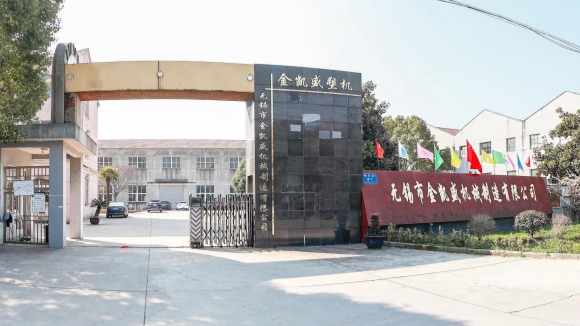
Wuxi JKS Machinery operates a 2000 m² workshop with 20 employees and an independent R&D team of 6 engineers, with an annual output of approximately 200 units. The company has exported to over 35 countries. Lead time depends on line configuration, molds, customization level, and production schedule, so buyers should request a project timeline in the commercial proposal. Standard support includes installation guidance, technical training, remote technical support, on-site troubleshooting, and spare parts supply. To request a quotation, product brochure, or line configuration consultation, contact Gordon at gordon@jksjx.com or WhatsApp +86 18601577228.
8. Conclusion and Next Step
Comparing a plastic extrusion machine should be a total-cost exercise, not a sticker-price exercise. JKS line benchmarks show where the measurable differences appear: 15–20% higher output speed on sheet lines, 12–18% higher output per line on profile lines, 10–15% higher output on pipe lines, ±0.1 mm and ±0.05 mm tolerance control, 5–10% lower energy use, and long-term maintenance cost savings of up to 30%.
These figures make sense only when matched to a specific product plan. A buyer running an SPC Flooring Production Line should test the line with their own formulation. A pipe manufacturer should ask for wall-thickness control data. A profile producer should evaluate mold-change time. The supplier that addresses all four categories—output, tolerance, energy, and maintenance—will usually deliver the lower cost per unit over the machine’s life.
Next step: request a quotation or product brochure.
Contact Wuxi JKS Machinery Manufacturing Co. Ltd.
Gordon | gordon@jksjx.com | Tel: 86 18651004566 | WhatsApp: 86 18601577228
No. 81 Xixian Road, Fangqian Town, Wuxi City, Jiangsu Province, 214000, P.R. China
Have Questions or Need More Details?
Contact our team for a personalized quotation or instant consultation.
Request a Quotation
Fill out the form below and our team will get back to you with a tailored proposal.
WhatsApp Direct Chat
Prefer to chat in real-time? Message us on WhatsApp for instant assistance & quick answers.
- Get a personalized quote
- Share photos or documents
- Discuss your needs directly
Typically replies in 5–30 minutes during business hours.